Cancer Symptoms In Dogs Approaching End Of Life Treatment with Calvin Norton blog
You came here for Cancer Symptoms In Dogs Approaching End Of Life Treatment, and everything below is exactly that, presented through a broad set of image exampl...
You Searched for Cancer Symptoms In Dogs Approaching End Of Life Treatment — Here It Is

You came here for Cancer Symptoms In Dogs Approaching End Of Life Treatment, and everything below is exactly that, presented through a broad set of image examples you can browse freely.
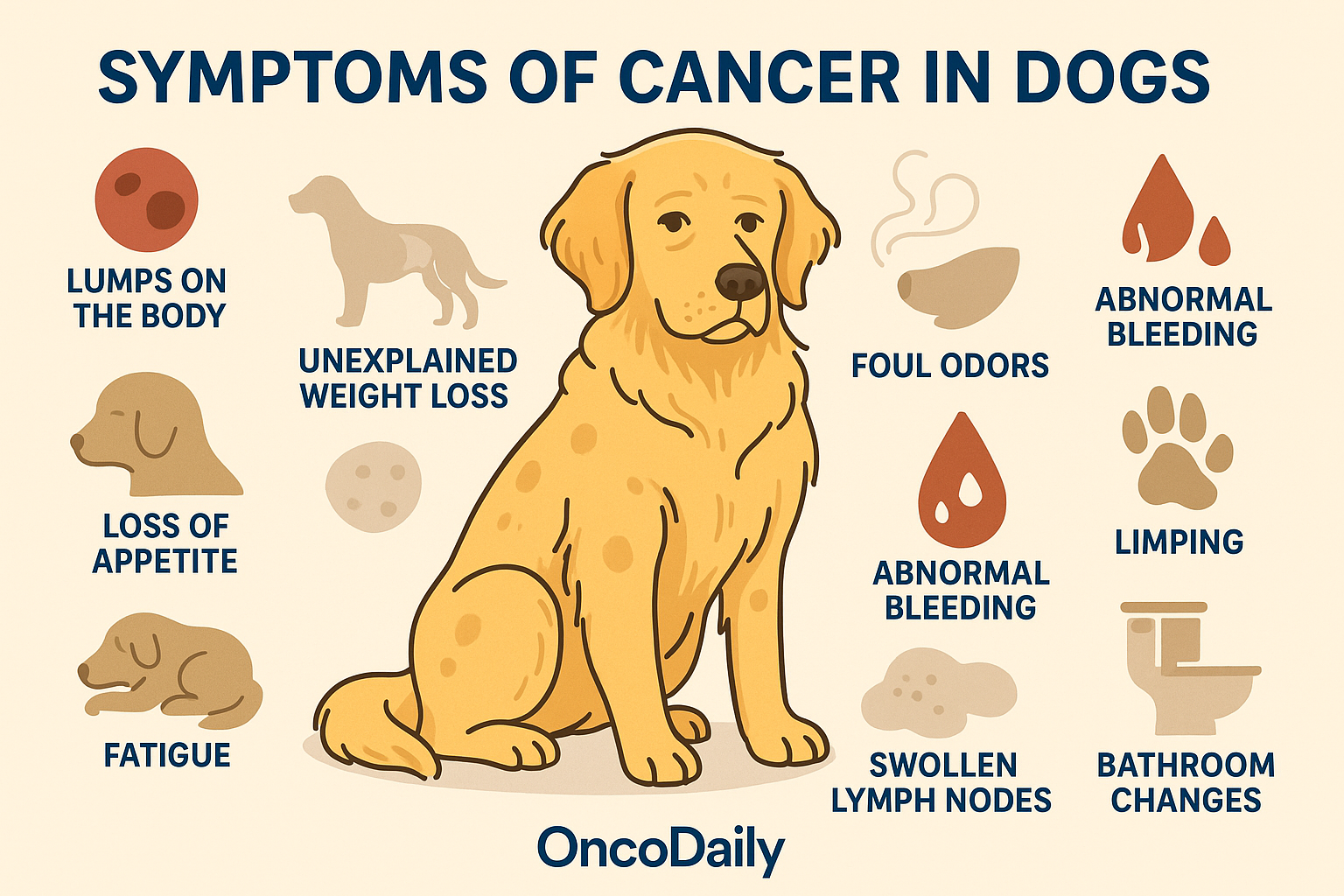
A description can only go so far before a picture does the job better, so looking at real examples explains far more than any description can.
Example Images of Cancer Symptoms In Dogs Approaching End Of Life Treatment
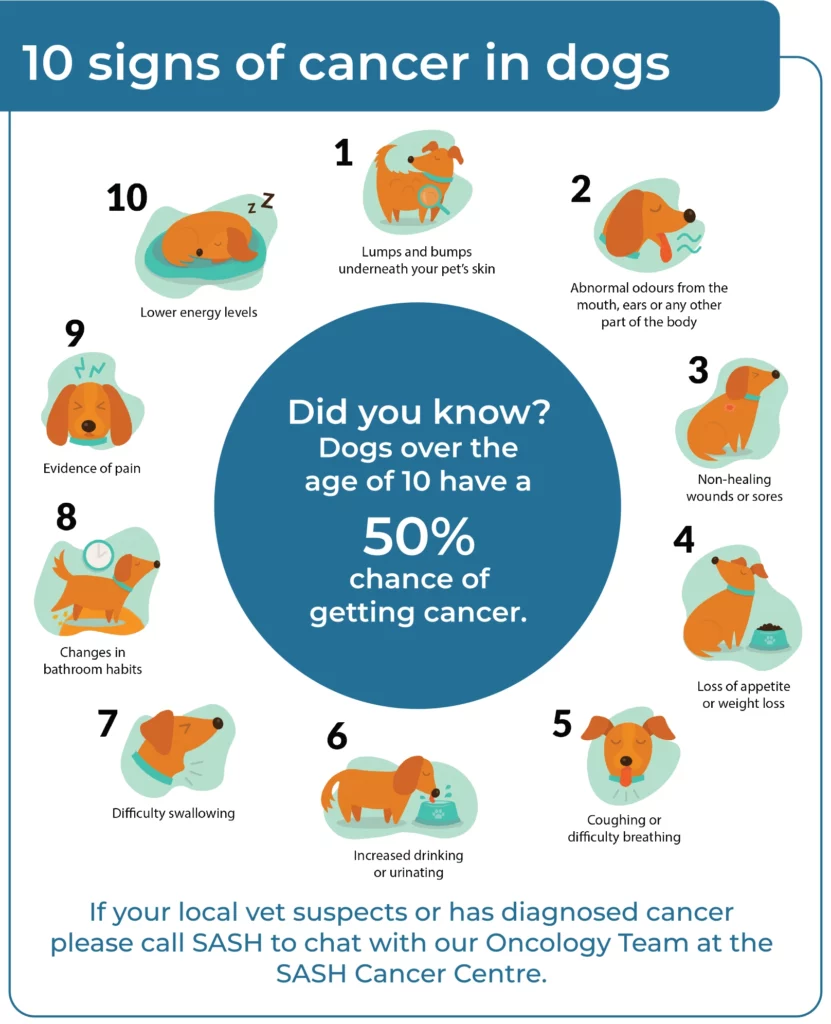
Each picture captures Cancer Symptoms In Dogs Approaching End Of Life Treatment from a different angle or context, and you will quickly see how much variety exists.
Scroll slowly and let each image register, and repeated details across images reveal what truly matters.

What the Images Can Show You
Think of each example as a visual definition, so you can recognize the qualities worth noticing.
Watch for the elements that appear again and again, because consistent details are usually the essential ones.
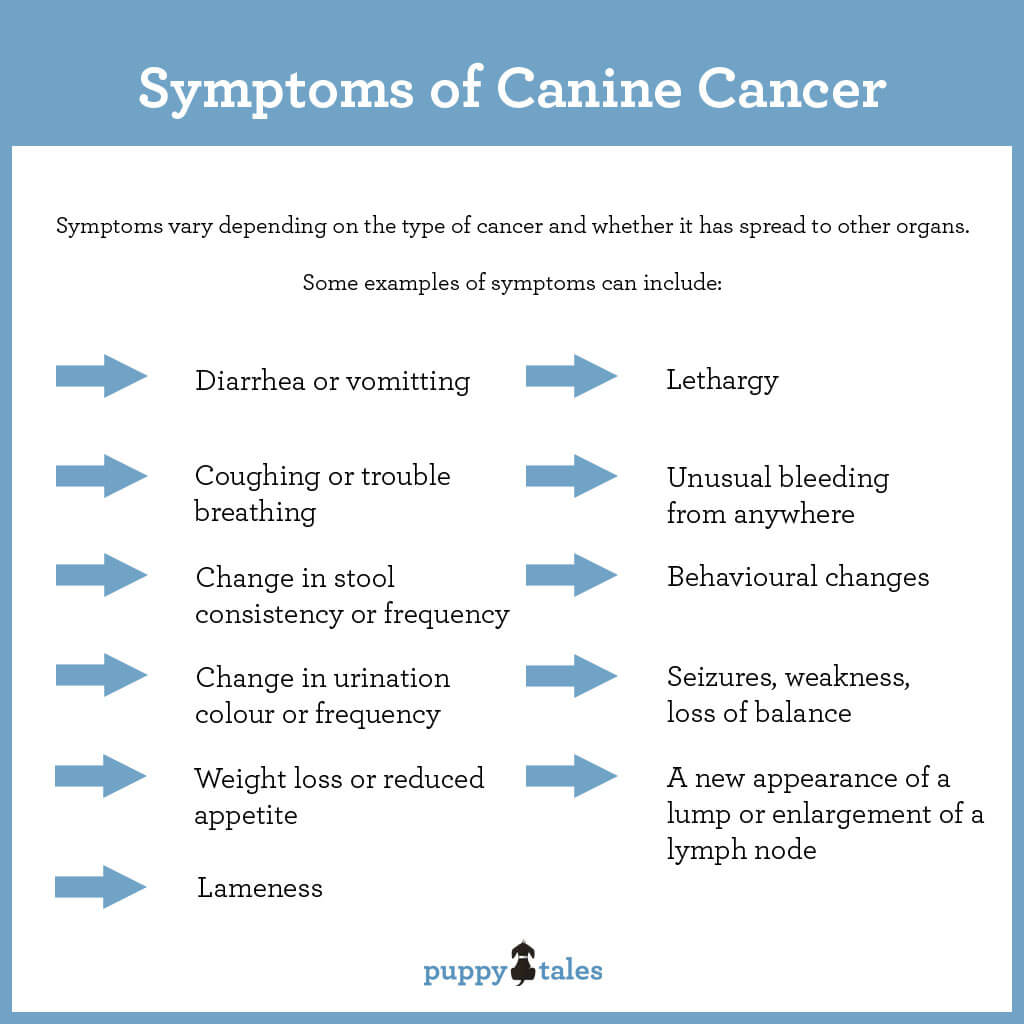
All the Different Looks of Cancer Symptoms In Dogs Approaching End Of Life Treatment
No two examples in the gallery look exactly the same, each one leans toward a slightly different taste, and seeing them together makes your own preference obvious.
A strong reaction to one example is always useful information, because that instinct usually points toward what you are really looking for.

Making the Most of the Gallery
Treat the gallery as a practical tool rather than decoration, for instance, keeping a shortlist of your favorite pictures.


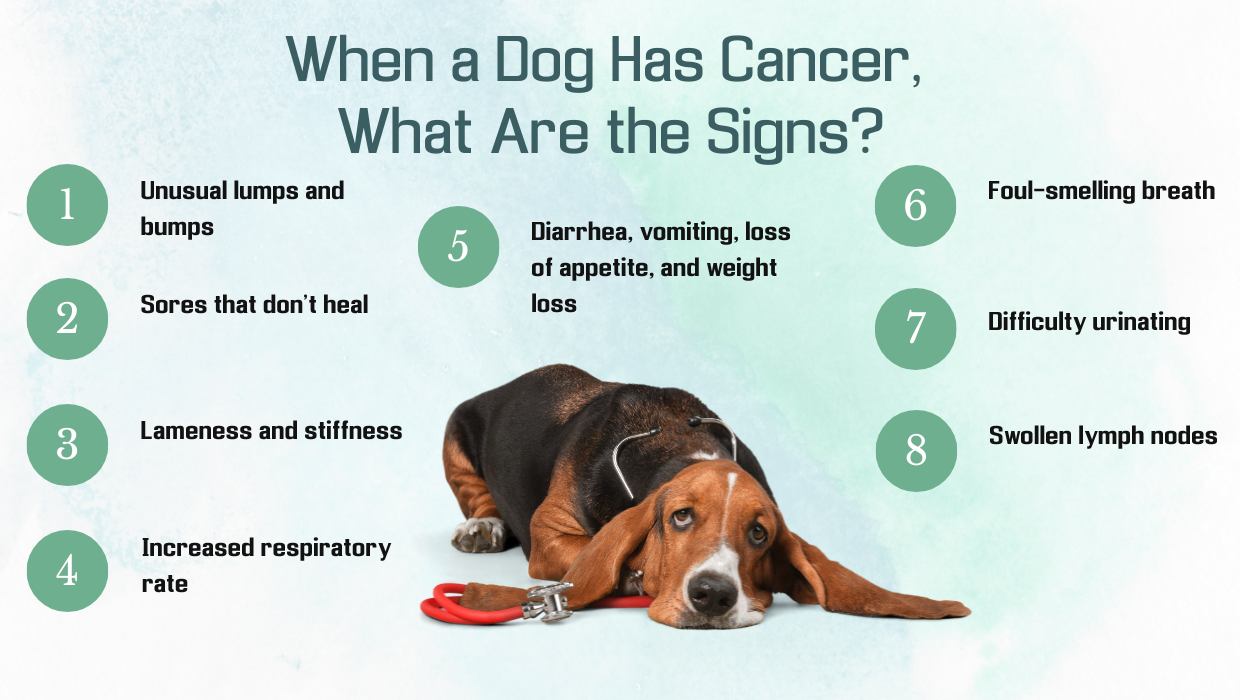
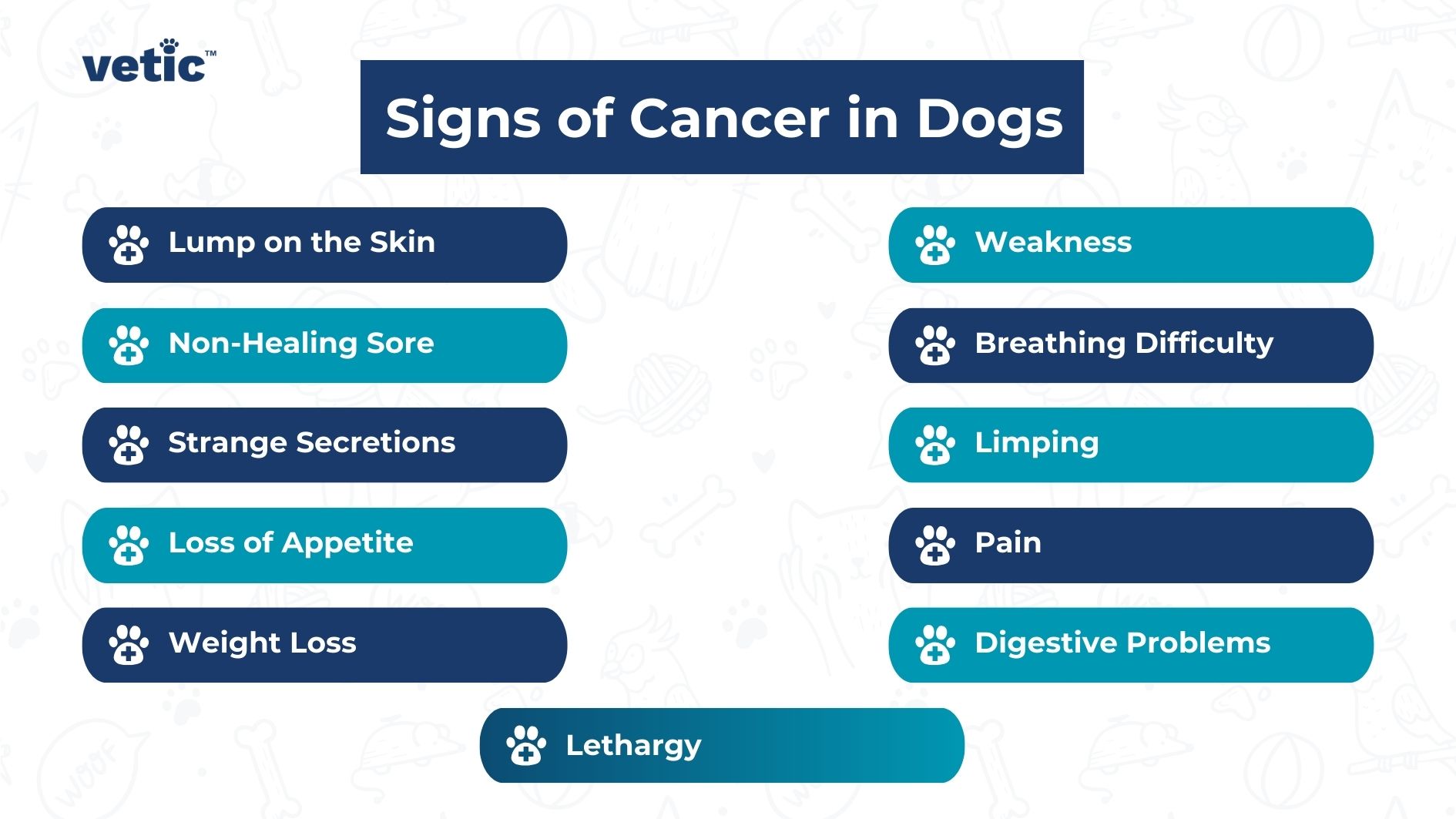

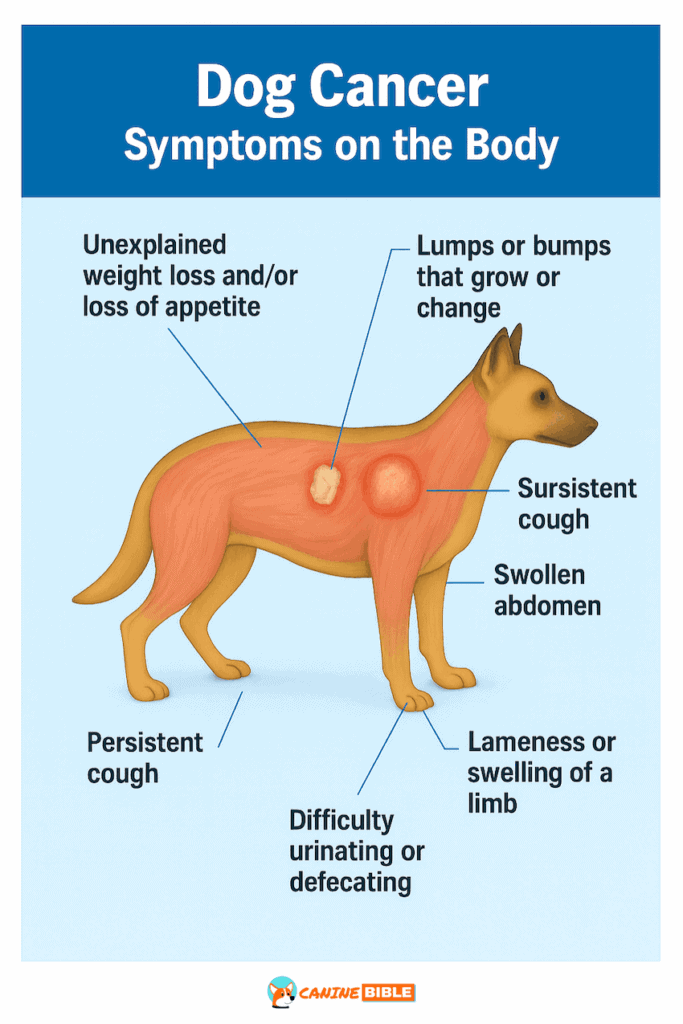

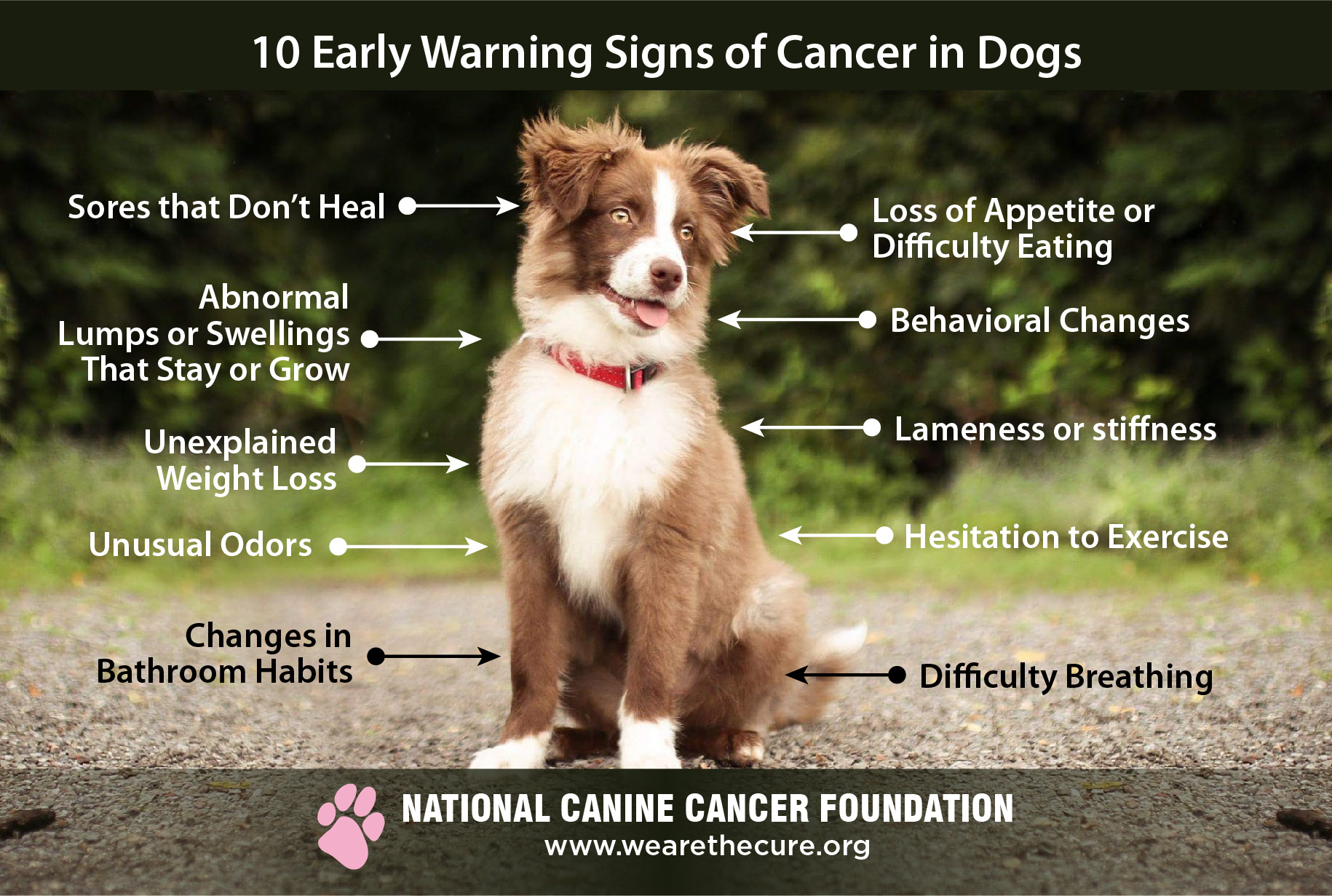









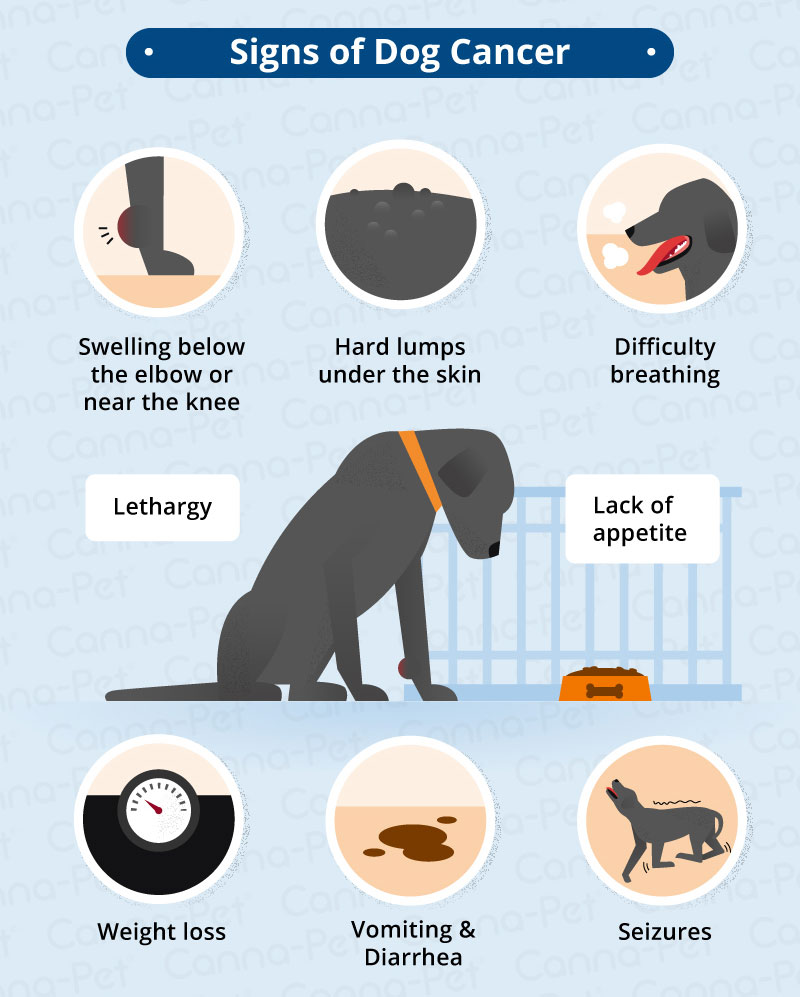
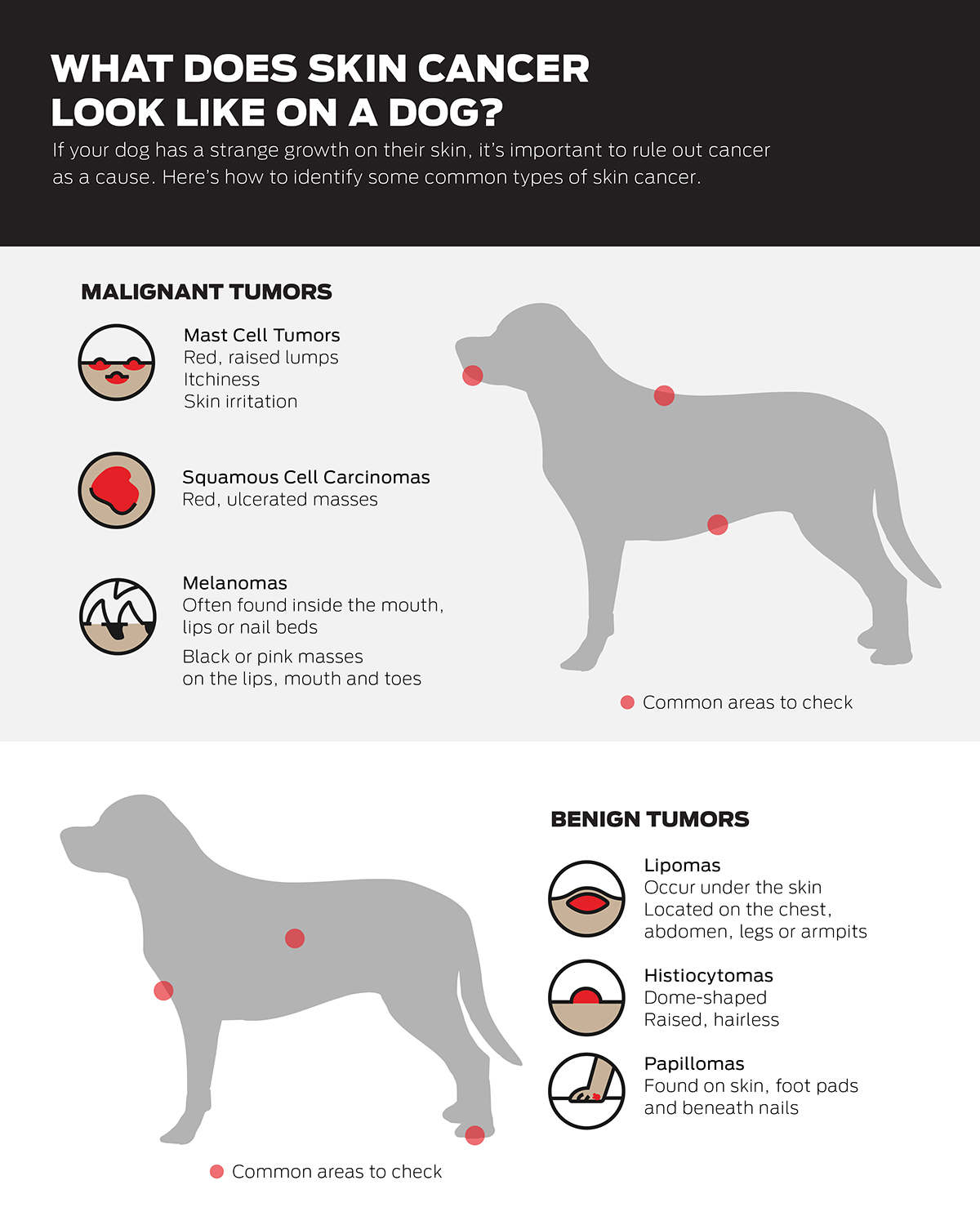


You can also use the images to explain the idea to someone else, and alignment happens in seconds instead of paragraphs.
What to Notice in Each Picture
Every example rewards a second, closer look, such as positioning, scale, material feel, and overall balance.
The images you linger on will shape your understanding most, and let a few carefully chosen references guide your direction.
The Power of Example Images
Our preference for images is not a trend, it is how understanding works, a real example eliminates the gap between description and reality.
That is why a varied collection like this is so effective, so whatever brought you here, the images can carry you the rest of the way.
Browse More Images Whenever You Need
Keep this gallery close for whenever the question resurfaces, as your preferences may shift the second time you look.
Repeated exposure quietly builds real visual understanding, and let the gallery keep doing what it does best.